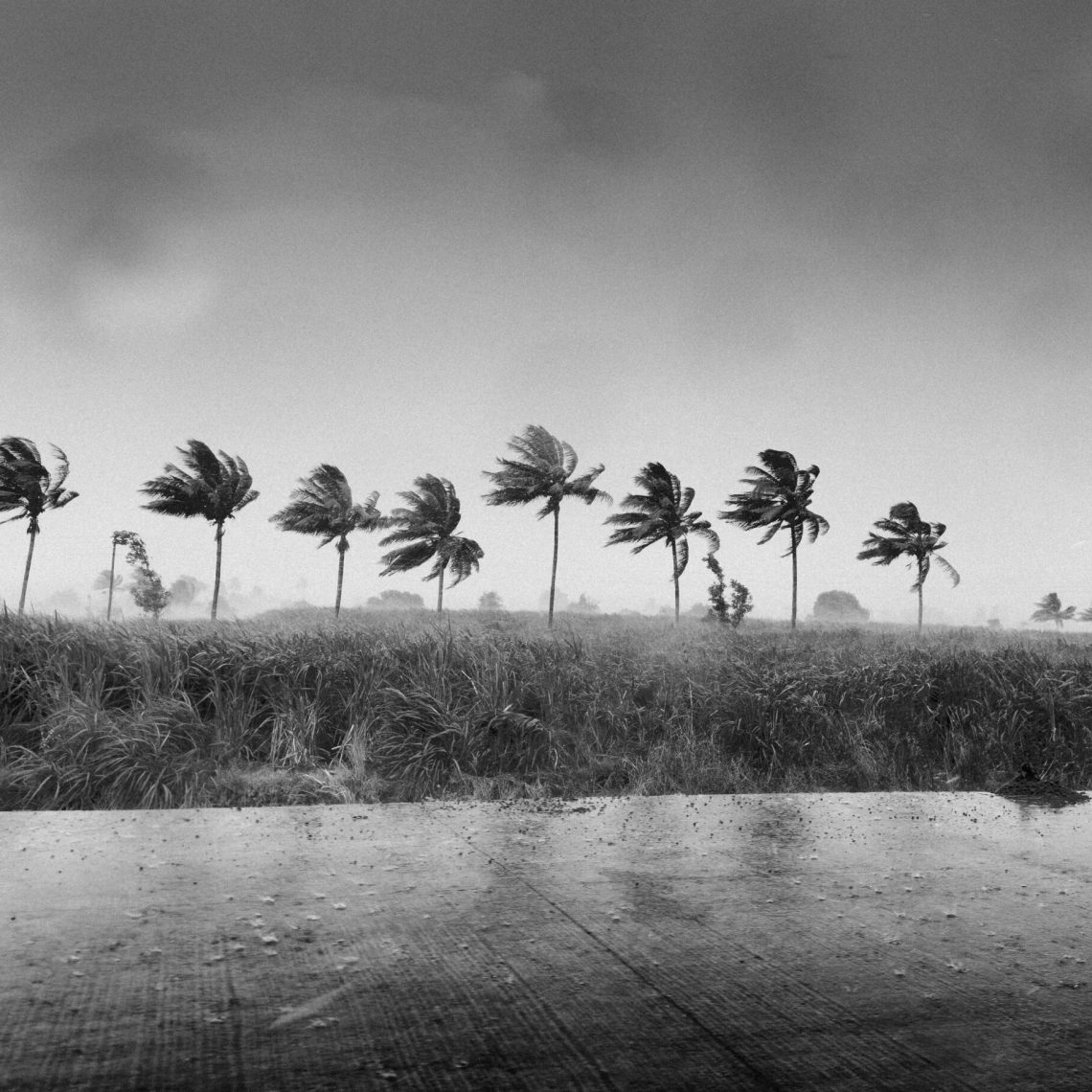
Jacksonville hurricane preparedness starts long before a storm appears on the weather map.
One of the things I’ve learned about living in Northeast Florida is that hurricane season feels much less intimidating when you understand what to expect and prepare before a storm is heading our way. When I first moved to Florida from Chicago, I had plenty of questions about evacuation zones, bridges, supplies, and whether everyone simply packed up and left whenever a hurricane approached. The reality is usually much more practical and much less dramatic. Jacksonville hurricane preparedness is really about knowing your home, understanding local guidance, and having a plan in place before you need it.
Hurricane Preparedness in Northeast Florida: What Every Homeowner Needs to Know
Living in Florida means learning to respect hurricane season, but it doesn’t mean living in fear of it. Most years, Northeast Florida experiences little more than heavy rain, gusty winds, or a few days without power. The key is understanding that preparing your home before a storm is ever in the forecast gives you more choices and far less stress.
Whether you’ve lived in Jacksonville for twenty years or just unpacked the moving truck, taking a few simple steps before hurricane season begins can make all the difference. The goal isn’t to prepare for the worst-case scenario every year—it’s to be ready if your neighborhood is affected.
Jacksonville Hurricane Preparedness Starts Before Hurricane Season
Hurricane season is a fact of life in Northeast Florida, running from June 1 through November 30 each year. While not every storm impacts our area directly, it only takes one to remind us why being prepared matters. The good news is that hurricane preparedness isn’t about expecting the worst—it’s about making simple decisions ahead of time so you’re not scrambling when a storm is in the forecast.
One of the advantages of living in Northeast Florida is that we’re often spared the direct impacts seen in other parts of the state. However, strong winds, heavy rain, localized flooding, fallen trees, and power outages can still affect our communities. Preparing before hurricane season begins allows you to focus on your family’s safety instead of rushing to complete last-minute tasks.
Whether you’re a longtime Florida resident or experiencing your first hurricane season after moving here, having a plan in place will help you feel more confident and better prepared when severe weather threatens.
Know Your Evacuation Zone Before You Need It
One of the biggest misconceptions I hear from people moving to Florida is that everyone evacuates when a hurricane approaches. In reality, evacuation orders are based primarily on storm surge risk, not simply because a storm is coming.
Many Jacksonville residents never receive an evacuation order during a storm, while others living closer to the coast, along the St. Johns River, or in lower-lying areas may be asked to leave. That’s why it’s so important to know your evacuation zone long before hurricane season reaches its peak.
Take a few minutes now to find your evacuation zone, understand the routes available to you, and know where your family would go if an evacuation were ever necessary. Having a plan ahead of time removes much of the uncertainty if a storm is approaching.
Build Your Hurricane Supply Kit Early
If you’ve ever watched grocery store shelves empty before a storm, you already know why planning ahead matters.
Instead of waiting until a hurricane is in the Atlantic, slowly build your emergency supplies throughout the year. Your kit should include bottled water, non-perishable food, flashlights, extra batteries, medications, phone chargers, cash, important documents, and enough supplies for every member of your household—including your pets.
Preparing early means you can avoid the last-minute rush and focus on your family’s safety instead of searching for bottled water or batteries.
Hurricane Kits
It is important to create a kit of supplies that you could take with you if you are forced to evacuate. This kit will also be useful if you are able to stay in your home, but are still affected by the storm, such as through the loss of power. One common trend seen when hurricanes are approaching is a wide-spread panic. When this happens, people rush in large numbers to get all the supplies they think they need. However, if you prepare your kit ahead of time, you can alleviate a lot of the potential stress of a very chaotic situation. You should create your kit in a bag that you can easily take with you. Some recommended items to include are:
- Non-perishable food (enough to last at least 3 days)
- Water (enough to last at least 3 days)
- First-aid kit (include any prescription medication you may need)
- Personal hygiene items and sanitation items
- Flashlights (have extra batteries on hand)
- Battery operated radio (again, have extra batteries)
- Waterproof container with cash and important documents
- Manual can opener
- Lighter or matches
- Books, magazines, games for recreation
- Special needs items: pet supplies and baby supplies if applicable
- Cooler and ice packs
- A plan for evacuation and for if family members are separated
Don't Forget Your Pets in Your Hurricane Plan
Your emergency plan should include every member of your family—including the four-legged ones. If you have pets, make sure you have several days’ worth of food, fresh water, medications, leashes, carriers, waste bags, and copies of vaccination records stored in a waterproof container.
If your family needs to evacuate, remember that not every shelter or hotel accepts pets. Take a few minutes before hurricane season to identify pet-friendly hotels or shelters along your evacuation route so you’re not trying to make those decisions under pressure.
It’s also a good idea to ensure your pets are wearing current identification tags and that their microchip information is up to date. Familiar toys, blankets, or bedding can also help reduce stress if your pets need to stay somewhere unfamiliar for a few days. Planning ahead helps keep every member of your family safer and more comfortable during an emergency.
Protect Your Home Before the Storm
There are several simple things homeowners can do before hurricane season that may help reduce damage if a storm heads toward Northeast Florida.
Securing Your Home
Know how to secure your home in the event of damaging winds, storm surge and flooding.
Make sure you know where important documents and insurance information are stored. If you own a generator, test it before you need it and review safe operating procedures.
- Cover all of your windows, either with hurricane shutters or wood.
- Although tape can prevent glass from shattering everywhere, be warned that tape does not prevent the window from breaking.
- If possible, secure straps or clips to securely fasten your roof to the structure of your home.
- Make sure all trees and shrubs are trimmed and clear rain gutters.
- Reinforce your garage doors.
- Bring in all outdoor furniture, garbage cans, decorations, and anything else that is not tied down.
- If winds become strong, stay away from windows and doors and close, secure and brace internal doors.
One tip that many homeowners don’t think about is taking current photos or videos of your home and personal belongings. If you ever need to file an insurance claim, having documentation from before the storm can make the process much smoother.
Buying or Selling a Home During Hurricane Season
Understanding why binding your insurance policy is crucial.
If you’re buying or selling a home during hurricane season, there’s one important detail many people don’t know about: insurance companies may temporarily stop binding new homeowners insurance policies when a tropical storm or hurricane is expected to impact Florida.
This temporary pause, often called a “binding freeze,” helps insurance companies limit new risk while a storm is approaching. If you’re under contract to buy a home, it can delay your ability to obtain homeowners insurance, which may also delay your scheduled closing until the freeze has been lifted.
The best way to avoid surprises is to work closely with your Realtor and insurance agent throughout the transaction. Applying for homeowners insurance as early as possible and staying informed about developing weather systems can help keep your closing on track. While binding freezes don’t happen every hurricane season, understanding that they’re possible allows buyers and sellers to plan ahead with confidence.
If You're New to Florida…
Moving to Florida comes with a learning curve, and hurricane season is usually near the top of the list of questions I hear from buyers relocating from other states.
I remember wondering about bridges, evacuation routes, and whether everyone packed up and left every time a storm was mentioned on the news. Thankfully, that’s not how most storms play out.
The best thing you can do is learn about the area where you live, understand your evacuation zone, and rely on guidance from local emergency management officials instead of social media rumors. Once you’ve experienced your first hurricane season, you’ll likely find that preparation becomes part of your normal routine, just like checking the weather before heading to the beach.
Where to Find Trusted Storm Information
When a storm is approaching, accurate information matters.
Follow trusted local sources for weather updates, evacuation orders, shelter information, bridge closures, and emergency alerts. Having reliable information helps you make informed decisions and avoid unnecessary panic caused by rumors circulating online.
Final Thoughts
Hurricane season is simply part of life in Northeast Florida, and being prepared doesn’t have to be overwhelming. A little planning today can save a great deal of stress later.
My hope is that whether you’re a longtime Jacksonville homeowner or just beginning your life here, you’ll feel more confident knowing what to expect and how to prepare. Northeast Florida is an incredible place to call home, and hurricane preparedness is just one more way we take care of the homes and communities we love.
Thinking About Calling Northeast Florida Home?
Thinking about buying or selling a home in Northeast Florida? I love helping families feel at home here—not just on closing day, but long after they’ve moved in. If you have questions about neighborhoods, flood zones, or preparing your home for hurricane season, I’m always happy to help.
Helping You Bee Right at Home in Northeast Florida. 🐝
And remember — I’m here to help families make sweet moves, not rushed decisions.