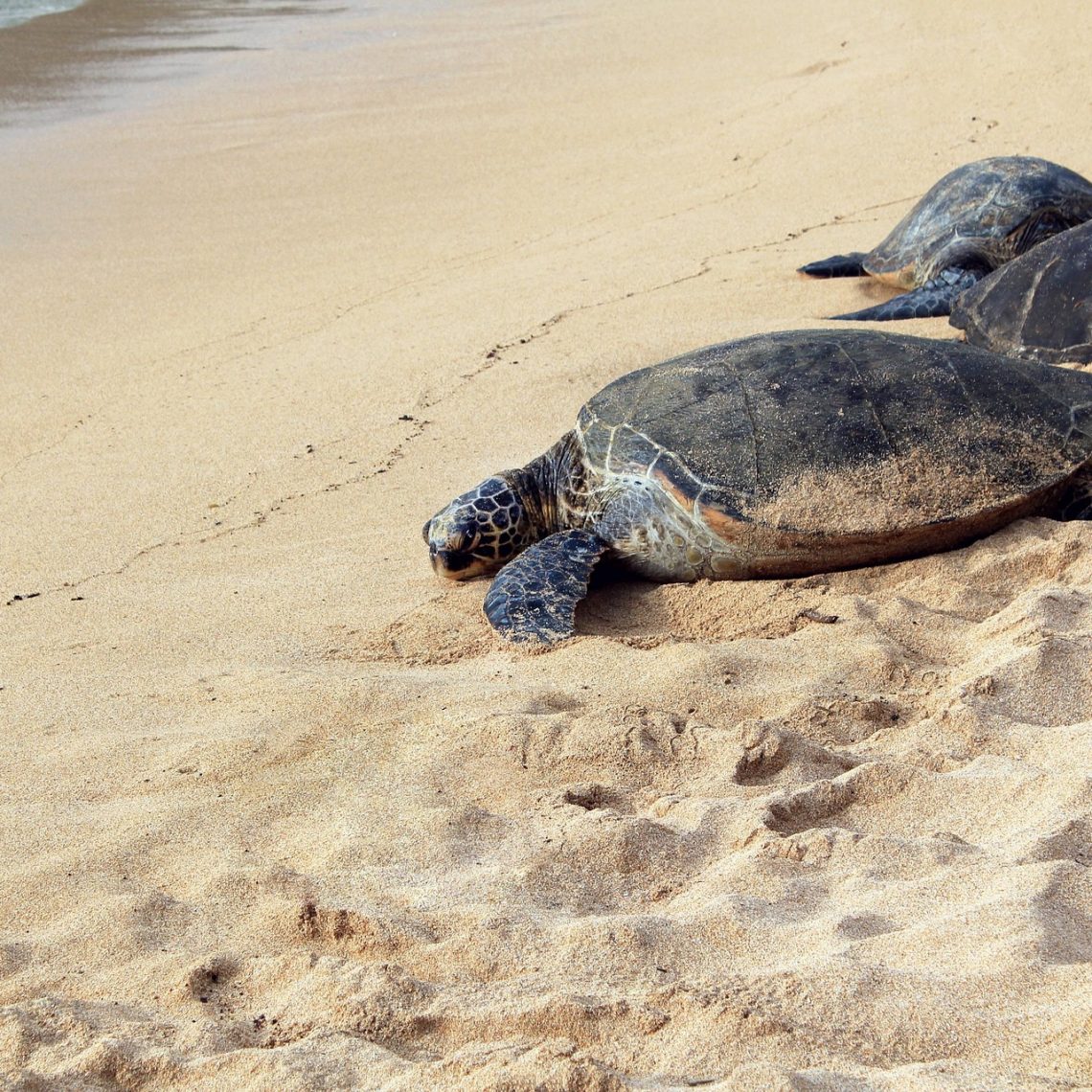
One of the things I love most about living in Northeast Florida is that our beaches aren’t just beautiful—they’re home to incredible wildlife. Every summer, sea turtles return to our coastline to nest, reminding us that we share these beaches with something much bigger than ourselves. Whether you’ve lived here for years or you’re new to the area, knowing how to protect these amazing animals is one of the easiest ways to help preserve the place we call home.
Sea Turtle Nesting Season in Northeast Florida: What Every Beach Visitor Should Know
Northeast Florida isn’t just home to beautiful beaches—it also provides important nesting habitat for several species of endangered and threatened sea turtles. Whether you’re a lifelong resident or planning a visit to Jacksonville, Amelia Island, or St. Augustine, understanding sea turtle nesting season is one of the easiest ways to help protect these incredible animals.
Here’s what every beachgoer should know before heading to the coast.
Why Sea Turtle Nesting Season Matters
Every summer, female sea turtles return to the very beaches where they hatched decades earlier to lay their own eggs. Northeast Florida’s coastline plays an important role in this remarkable natural cycle, providing nesting habitat for species such as the loggerhead, green sea turtle, and leatherback.
Because many of these species are listed as threatened or endangered, protecting nesting areas helps ensure future generations of sea turtles can continue returning to Florida’s beaches. The good news is that a few simple actions from residents and visitors can make a significant difference.
When Is Sea Turtle Nesting Season in Northeast Florida?
Sea turtle nesting season in Northeast Florida officially runs May 1 through October 31, although the busiest nesting activity typically occurs during June and July.
After the eggs incubate for approximately 50 to 60 days, hatchlings begin emerging from their nests, usually from late July through October. These tiny turtles instinctively make their way toward the brightest horizon—the reflection of moonlight on the ocean.
Artificial lights from homes, hotels, flashlights, or phones can confuse hatchlings and lead them away from the water, which is why protecting our beaches during nesting season is so important.
Best Beaches to See Protected Sea Turtle Nesting Areas
Sea turtles nest along much of Northeast Florida’s coastline. While nests are carefully monitored and protected, you may notice marked nesting areas during your beach visits.
Popular nesting beaches include:
- Jacksonville Beach
- Neptune Beach
- Atlantic Beach
- Ponte Vedra Beach
- Amelia Island
- Little Talbot Island State Park
- Big Talbot Island State Park
- St. Augustine Beach
- Anastasia State Park
If you see a marked nest, please enjoy it from a distance and avoid crossing the protective barriers placed around the site.
How You Can Help Protect Sea Turtles
Helping protect sea turtles doesn’t require special training—it simply requires being mindful during your beach visit.
Here are a few easy ways everyone can help:
Turn Off or Shield Lights
Bright lights can disorient both nesting females and hatchlings. If you’re staying in a beachfront property, close blinds or curtains after dark and turn off unnecessary outdoor lighting.
Fill In Holes
Large holes dug on the beach can become dangerous obstacles for nesting turtles and newly hatched babies. Before leaving, fill in any holes your family has dug.
Knock Down Sandcastles
While they may be fun during the day, large sand structures can block hatchlings as they head toward the ocean.
Remove Beach Equipment
Take chairs, umbrellas, toys, and tents with you each evening. Leaving equipment overnight creates hazards for turtles coming ashore to nest.
Give Wildlife Plenty of Space
If you encounter a nesting turtle or hatchlings, watch quietly from a respectful distance. Never touch or attempt to move them.
What Should You Do If You See a Sea Turtle?
Seeing a sea turtle nesting is an unforgettable experience, but it’s important to let nature take its course.
If you’re lucky enough to witness one:
- Stay at least 50 feet away.
- Keep voices low and avoid sudden movements.
- Never use flash photography or bright flashlights.
- Do not touch the turtle or the hatchlings.
- Keep pets away from nesting areas.
If you believe a turtle is injured or in distress, contact the Florida Fish and Wildlife Conservation Commission (FWC) or local wildlife authorities.
One More Reason to Love Living in Northeast Florida
One of my favorite things about living in Northeast Florida is that our beaches offer so much more than beautiful sunrises and soft sand. They’re also home to incredible wildlife that has returned here for thousands of years.
Protecting sea turtles is something our communities take seriously, and it’s one of the many reasons I love calling this area home. Whether you’re spending the day at Jacksonville Beach, exploring Amelia Island, or walking the shoreline in St. Augustine, your small actions help preserve this special place for future generations.
Sea turtle nesting season is one of Northeast Florida’s most remarkable natural events. By following a few simple guidelines during your beach visits, you can help protect these amazing animals while continuing to enjoy everything our coastline has to offer.
Whether you’re new to Northeast Florida or have lived here for years, taking care of our beaches helps ensure they’ll remain beautiful—and full of life—for generations to come.
Add Your Heading Text HereThinking About Calling Northeast Florida Home?
If you’re considering buying or selling a home in Jacksonville, Fernandina Beach, Amelia Island, St. Augustine, or anywhere throughout Northeast Florida, I’d love to help you discover not only the perfect home—but the incredible lifestyle that comes with living here.
Helping You Bee Right at Home in Northeast Florida. 🐝
And remember — I’m here to help families make sweet moves, not rushed decisions.